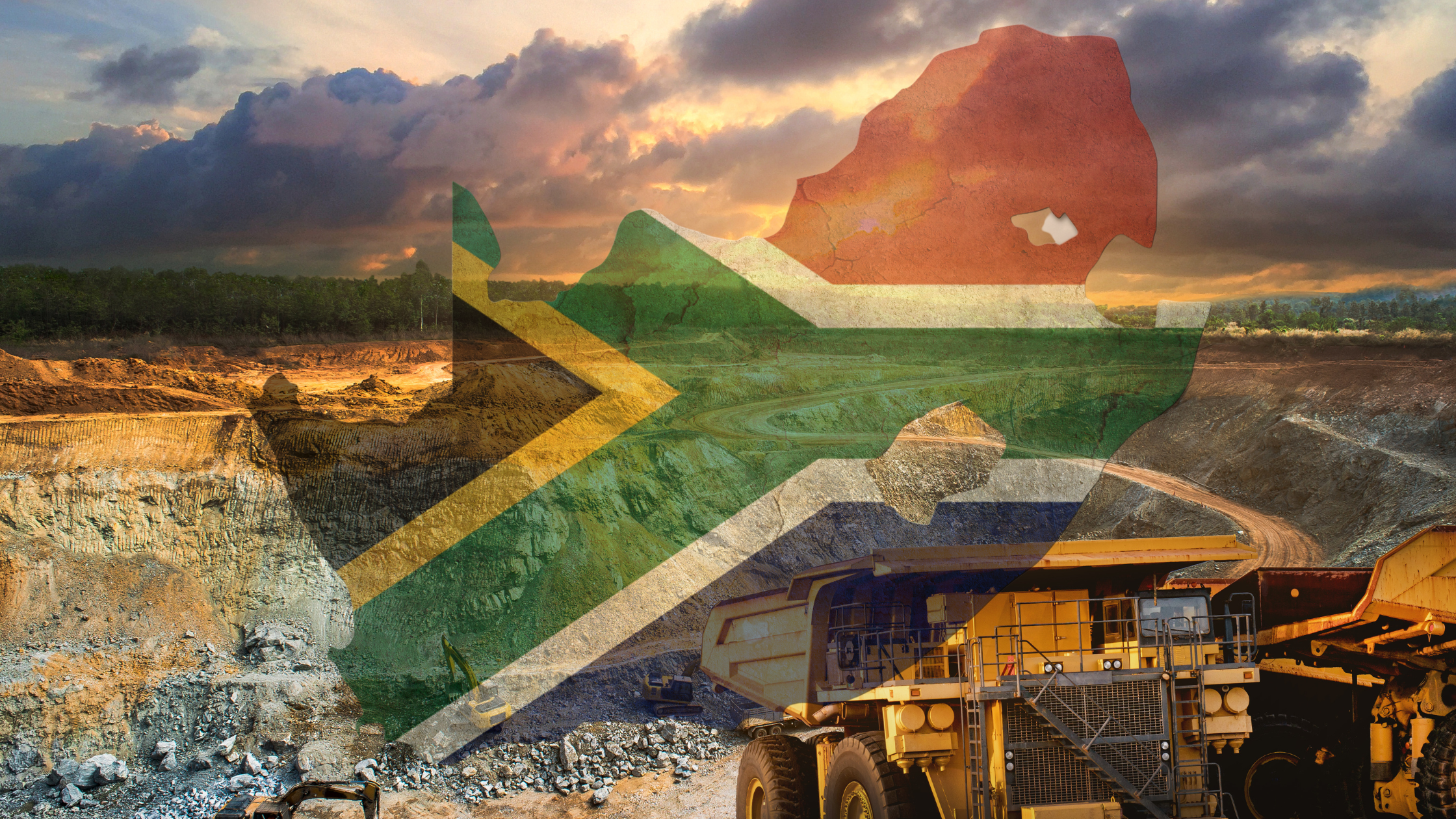

What is the history of gold prospecting in South Africa?
Gold prospecting in South Africa has a rich and fascinating history that spans more than a century. The discovery of gold in the region during the late 1800s had a profound impact on the country's economy, culture, and politics, and helped to shape its modern identity. In this blog post, we will explore the history of gold prospecting in South Africa, from its early beginnings to its current state.
Early Beginnings of Gold Prospecting in South Africa
The first recorded discovery of gold in South Africa was in 1871 near the town of Sabie in the province of Mpumalanga. This discovery was made by Australian gold prospector George Harrison, who had been prospecting in the area for several years. Harrison's discovery sparked a gold rush, and within a few years, thousands of prospectors had descended upon the region in search of gold.
One of the most significant discoveries during this early period was the Witwatersrand gold reef, which was discovered in 1886 by George Harrison's partner, George Walker. This discovery would go on to become the largest gold deposit in the world, and it transformed South Africa into one of the world's largest gold producers.
Impact of Gold Prospecting on South Africa's Economy
The discovery of gold in South Africa had a profound impact on the country's economy. In the late 1800s, gold accounted for more than half of South Africa's exports, and it helped to establish the country as a major player in the global economy.
As the gold rush continued, the South African government established several mining companies to exploit the country's mineral wealth. These companies, such as Anglo American and De Beers, played a significant role in the development of South Africa's economy and helped to create jobs and wealth for millions of people.
However, the mining industry in South Africa has also been plagued by controversy and conflict. The industry has been accused of exploiting workers and damaging the environment, and there have been numerous disputes over land rights and ownership.
Political Impact of Gold Prospecting in South AfricaThe primary difference between artisanal and alluvial gold mining is the scale The impact of gold prospecting on South Africa's politics has been just as significant as its economic impact. The mining industry has been a source of both wealth and power, and it has played a major role in shaping the country's political landscape.
One of the most significant political events in South Africa's history was the discovery of diamonds in Kimberley in 1867. This discovery led to the establishment of the De Beers diamond mining company, which was controlled by wealthy businessman and politician Cecil Rhodes.
Rhodes used his wealth and influence to gain control of the country's political system, and he played a significant role in the establishment of the Union of South Africa in 1910. However, Rhodes was also a controversial figure, and his legacy has been the subject of much debate in South Africa.
The mining industry has also played a role in the country's struggle against apartheid. During the apartheid era, the mining industry was a major employer of black South Africans, but they were often subjected to poor working conditions and low wages. This led to widespread protests and strikes, which helped to pave the way for the end of apartheid in the 1990s.
Today, South Africa remains one of the world's largest producers of gold, with the Witwatersrand gold reef still being mined by companies such as AngloGold Ashanti and Gold Fields. However, the industry has faced several challenges in recent years, including rising production costs, declining ore grades, and labour unrest.
Despite these challenges, the mining industry remains a crucial part of South Africa's economy, and it is likely to continue to play a significant role in the country's development in the years to come.