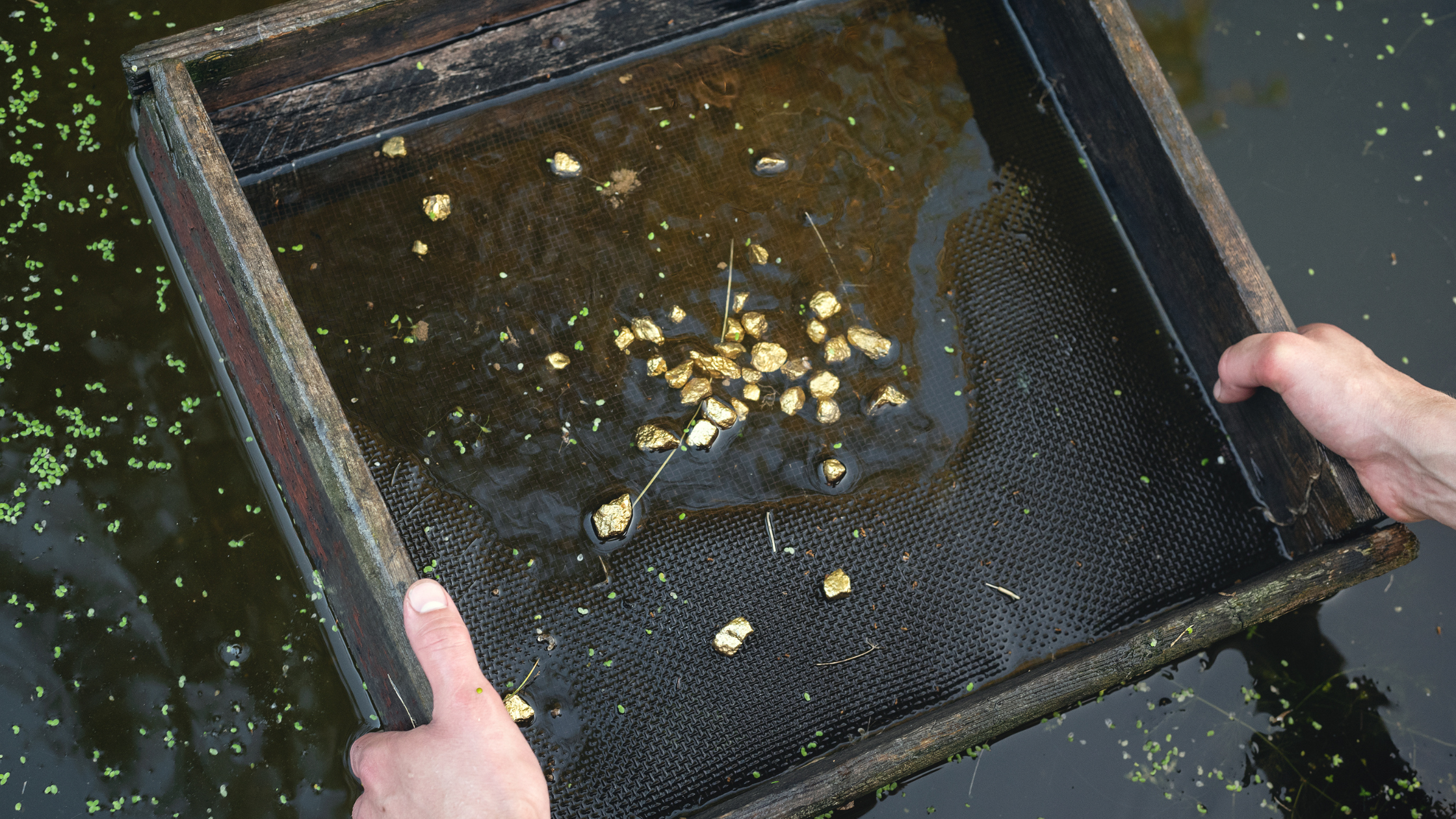

What is Gold Prospecting?
Gold prospecting is the process of searching for gold deposits in the
earth. It is often done as a hobby, but it can also be a lucrative business for
those who are skilled at finding gold. There are many different methods of gold
prospecting, ranging from panning in streams and rivers to using metal
detectors to search for buried gold. Some prospectors also use more advanced
techniques such as geological mapping and remote sensing to identify potential
gold deposits.
Why is Gold Prospecting Popular?
Gold prospecting is a popular hobby for several reasons. For one, it
is an exciting activity that involves being outdoors and exploring nature. It
also offers the potential for finding valuable treasures, which can be a thrill
for many people. Additionally, gold prospecting is a great way to learn about
geology and the history of mining.
Getting Started with Gold Prospecting
If you are interested in trying gold prospecting for yourself, there
are a few things you will need to get started. First, you will need some basic
equipment, such as a gold pan and a shovel. You may also want to invest in a
metal detector if you plan on searching for buried gold. Other tools that can
be helpful include a sniffer bottle for extracting small gold flakes and a
classifier for sifting through dirt and gravel.
Once you have your equipment, you will need to find a suitable
location to prospect for gold. This can be a public area such as a park or a
private property with the owner's permission. It is important to research the
area you plan to prospect in advance to ensure that it is legal and safe to do
so. You should also be aware of any potential hazards, such as unstable ground
or dangerous wildlife.
Basic Techniques for Gold Prospecting
There are several basic techniques that can be used for gold
prospecting, including:
1. Panning – This involves using a gold pan to separate gold
from dirt and gravel. To pan for gold, simply fill the pan with dirt and gravel
from a stream or river and swirl it around. The heavy gold flakes will sink to
the bottom of the pan, while the lighter dirt and gravel will wash away.
2. Sluicing – Sluicing involves using a long, narrow box with
riffles to separate gold from dirt and gravel. Water is pumped through the box,
and the gold is trapped in the riffles while the dirt and gravel wash away.
3. Metal Detecting – Metal detecting involves using a metal
detector to search for buried gold. This method is best for finding small
nuggets and flakes, as well as gold jewellery and coins.
4. Dry Washing – Dry washing involves
using a dry washer to separate gold from dirt and gravel without using water.
This method is best for dry desert areas where water is scarce.
Tips for Successful Gold Prospecting
If you want to be successful at gold prospecting, there are several
tips that can help:
1. Research the Area – Before you start prospecting, research
the area to find out where gold has been found in the past. This can give you a
good idea of where to start your search.
2. Practice Proper Techniques – Using the correct techniques
can make a big difference in your success as a gold prospector. Take the time
to learn how to pan, sluice, or metal detect properly.
3. Be Patient – Gold prospecting can be a slow process, so it's
important to be patient. Don't get discouraged.
Conclusion
Prospecting for Gold is a fantastic past time, and a fun hobby to get you and the family out into the outdoors and trying your luck.